



 Post by
 Choosing the right graphic designing course can transform your creative passion into a thriving career in the UAE’s dynamic digital economy. With Dubai and Abu Dhabi emerging as regional design hubs, demand for skilled graphic designers continues to grow across advertising, media, e-commerce, and corporate sectors. Whether you’re a complete beginner or looking to formalize your skills with professional certification, understanding your options is the first step toward success.
This comprehensive guide walks you through everything you need to know about graphic design training in the UAE in 2026, from course types and curriculum to costs and career outcomes, helping you make an informed decision that aligns with your goals and budget.
What You’ll Learn in a Graphic Designing Course
A comprehensive graphic designing course covers both creative fundamentals and technical skills. Core curriculum typically includes color theory, typography, layout design, composition principles, and visual hierarchy. You’ll learn to think like a designer, understanding how visual elements communicate messages and evoke emotions.
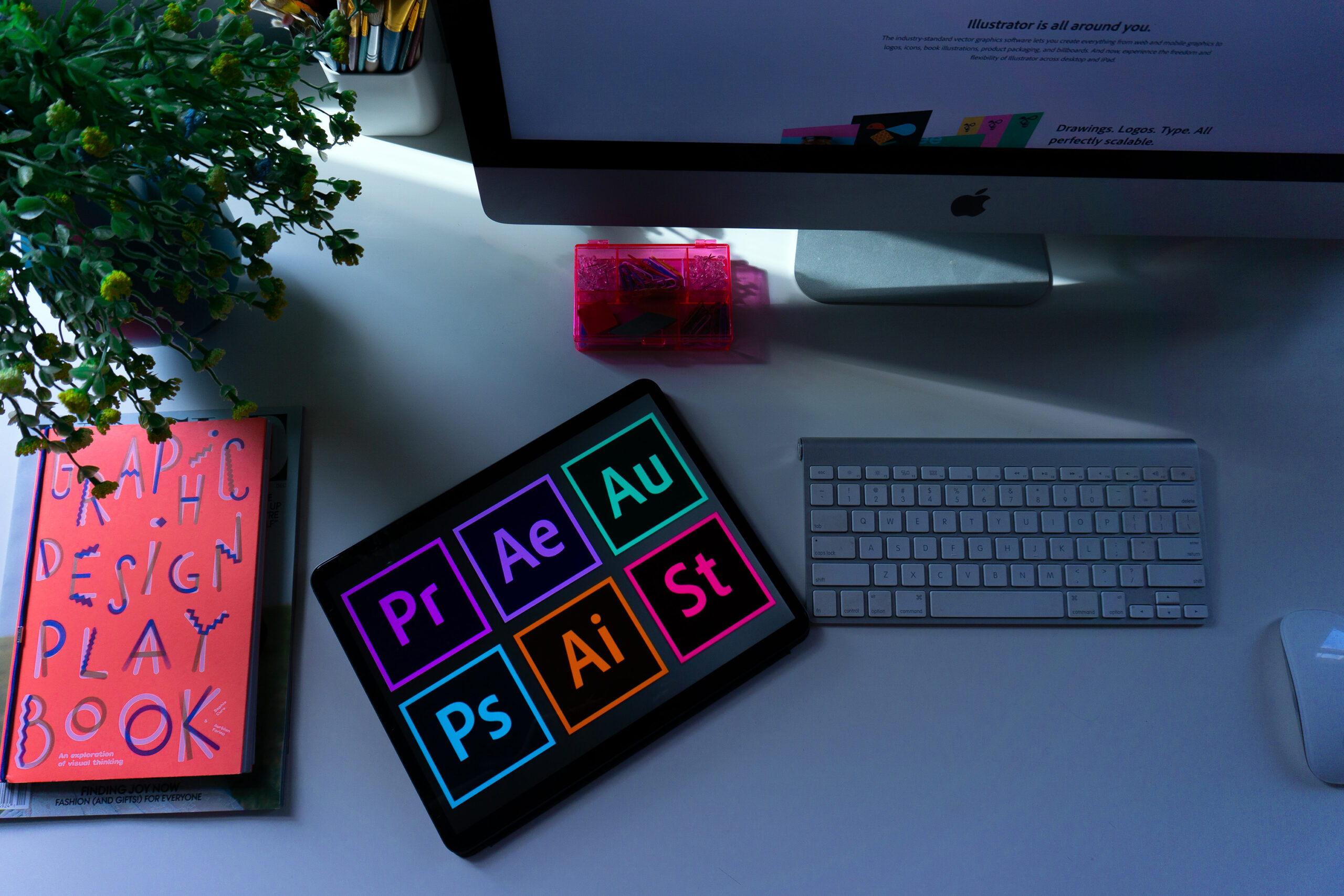
Technical training focuses on industry-standard software, primarily Adobe Creative Suite (Photoshop, Illustrator, InDesign). Most courses also cover digital illustration, photo editing and manipulation, logo design, branding basics, print design specifications, and digital asset creation for web and social media.
Advanced programs may include motion graphics, UI/UX design basics, 3D design fundamentals, and portfolio development. Many UAE-based courses also emphasize real-world project work, allowing you to build a professional portfolio while learning. This practical experience proves invaluable when entering the job market or launching a freelance career.
Types of Graphic Design Courses Available in UAE
The UAE market offers diverse training formats to suit different learning styles and schedules. Certificate programs (3-6 months) provide focused, intensive training ideal for career changers. These condensed courses cover essential skills and tools, getting you job-ready quickly.
Diploma programs (6-12 months) offer more comprehensive training with deeper exploration of design theory, history, and advanced techniques. These programs often include internship opportunities with UAE-based agencies or studios.
Short courses and workshops (1-4 weeks) focus on specific skills like logo design, social media graphics, or mastering particular software. These work well for professionals updating specific skills or exploring graphic design before committing to longer programs.
Online graphic design courses with certificate options have exploded in popularity, offering flexibility for working professionals. Many international platforms now offer UAE-specific payment options and scheduling consideration for local time zones.
University degree programs (Bachelor’s, 3-4 years) provide the most comprehensive education, combining design skills with business, marketing, and communication studies. Several UAE universities now offer specialized graphic design degrees.
Online vs In-Person Graphic Design Training: Which Is Right for You?
In-person graphic design training in Dubai and other UAE cities offers structured learning environments with direct instructor feedback, networking opportunities with classmates and industry professionals, access to professional-grade equipment and software labs, and immediate troubleshooting support. The face-to-face interaction can accelerate learning, particularly for beginners who benefit from hands-on guidance.
Online courses provide flexibility to learn at your own pace, lower costs (no commute, often lower tuition), access to international instructors and diverse perspectives, and the ability to balance learning with work or family commitments. Many online programs now offer live sessions, one-on-one mentoring, and virtual collaboration projects that replicate the classroom experience.
Hybrid models combine the best of both approaches, with online theory modules and periodic in-person workshops for hands-on practice and portfolio reviews. Consider your learning style, schedule constraints, and budget when choosing. If you’re disciplined and self-motivated, online learning can be highly effective. If you thrive on structure and face-to-face interaction, invest in an in-person program.
Key Software and Tools Covered in Design Courses
Adobe Photoshop remains the cornerstone of graphic design education, used for photo editing, digital painting, and web graphics creation. Courses teach layer management, masking, retouching, and effects that form the foundation of digital design work.
Adobe Illustrator focuses on vector graphics, essential for logos, icons, typography, and illustrations that scale perfectly for any size from business cards to billboards. You’ll master the pen tool, shape builders, and pathfinding techniques that define professional vector work.
Adobe InDesign handles layout design for multi-page documents like brochures, magazines, and reports. Understanding master pages, text flow, and print specifications becomes crucial for commercial design work.
Many courses now include Figma or Adobe XD for UI/UX design basics, Canva for quick social media content (increasingly requested by UAE employers), and basic After Effects for simple motion graphics. Some advanced programs introduce 3D tools like Blender or Cinema 4D, expanding your creative capabilities.
Understanding which tools align with your career goals helps you choose courses with the right software focus. For those interested in the professional application of these skills, exploring professional graphic design services can provide insight into industry standards and expectations.
Professional Certifications Worth Pursuing in 2026
Adobe Certified Professional (ACP) credentials validate your mastery of specific Creative Cloud applications. These globally recognized certifications can significantly boost your resume, particularly when competing for positions with international companies operating in the UAE.
The Certified Graphic Designer (CGD) credential from professional design associations demonstrates broad competency across design principles and practices. While less common in the UAE than Adobe certifications, it can differentiate you in competitive job markets.
Industry-specific certifications like Google UX Design Certificate or HubSpot Content Marketing can complement your graphic design skills, making you more versatile. As UAE businesses increasingly integrate design with digital marketing, these cross-disciplinary credentials add value.
Many UAE-based courses offer their own certificates of completion. While not as universally recognized as Adobe certifications, certificates from reputable local institutions like the American University in Dubai, SAE Institute, or established training centers carry weight with UAE employers who recognize these programs.
How to Choose the Right Graphic Design Course in UAE
Start by honestly assessing your current skill level. Complete beginners need foundational courses covering design basics, while those with some experience might benefit more from specialized or advanced programs. Review course syllabi carefully to ensure the content matches your starting point.
Consider your career goals. If you’re aiming for agency work, prioritize courses emphasizing portfolio development and brand design. For freelancing aspirations, look for programs covering business basics alongside design skills. Those interested in digital marketing should seek courses integrating social media content creation.
Evaluate instructor credentials and industry connections. Courses taught by working designers provide current industry insights and potential networking opportunities. Check if the program offers job placement assistance, internship arrangements, or alumni networks that can help launch your career.
Look for courses offering flexible payment plans, as graphic design training represents a significant investment. Some UAE institutions partner with banks to offer education financing. Also verify whether the course fee includes software licenses, as Adobe Creative Cloud subscriptions add to your total cost.
Read reviews from past students and, if possible, view examples of work created by graduates. This gives you realistic expectations of outcomes and course quality. The best graphic design course for you balances comprehensive curriculum, qualified instruction, practical application, and affordability within your circumstances.
Career Paths After Completing a Graphic Design Course
In-house designer positions with corporations, government entities, or large organizations offer stability, regular hours, and benefits. UAE companies across sectors from real estate to hospitality employ designers for marketing materials, presentations, and internal communications.
Agency work provides variety and fast-paced environments where you’ll work on multiple client projects simultaneously. Dubai and Abu Dhabi host numerous creative agencies ranging from small boutiques to regional branches of global networks, all seeking talented designers.
Freelance graphic design offers maximum flexibility and income potential, though it requires strong self-discipline and business skills. The UAE’s growing gig economy and business-friendly environment make freelancing increasingly viable, with platforms connecting designers to local and international clients.
Specialized roles like UI/UX designer, motion graphics artist, brand identity specialist, or packaging designer allow you to focus on specific niches as you gain experience. The UAE’s diverse economy creates opportunities across these specializations.
Some graduates transition into related fields like art direction, creative direction, or marketing roles where design skills provide a competitive advantage. Understanding the broader digital landscape helps with these transitions, which is why many designers also explore complementary skills through resources like web designing courses or digital marketing fundamentals.
Cost of Graphic Design Courses in UAE: What to Expect
Short courses and workshops in the UAE typically range from AED 1,000 to AED 5,000, depending on duration and institution. These focused programs offer affordable entry points for exploring graphic design or learning specific skills.
Certificate programs generally cost between AED 8,000 and AED 20,000 for comprehensive 3-6 month courses. This mid-range investment provides solid training without the time and expense commitment of degree programs.
Diploma programs run from AED 20,000 to AED 45,000 for 6-12 month intensive training. These programs offer the most thorough non-degree education, often including internship placements that can lead directly to employment.
University degree programs represent the largest investment, with annual tuition at UAE institutions ranging from AED 40,000 to AED 80,000 or more for specialized design programs. Over three to four years, total costs can reach AED 150,000 to AED 300,000, though this includes broader education beyond pure design skills.
Online courses offer the most affordable options, with international platforms like Coursera, Udemy, or Skillshare offering individual courses from AED 100 to AED 1,000, and comprehensive programs from AED 3,000 to AED 10,000. Many offer financial aid or monthly subscription models making them accessible to most budgets.
Don’t forget to factor in software costs. Adobe Creative Cloud subscriptions run approximately AED 90-100 per month, adding AED 1,080-1,200 annually to your learning investment. Some courses include temporary software access, while students may qualify for educational discounts.
Skills Employers Look for in Graphic Designers
Technical proficiency in Adobe Creative Suite remains the baseline expectation. UAE employers consistently list Photoshop, Illustrator, and InDesign mastery as mandatory requirements. Increasingly, Figma skills for digital design and basic video editing capabilities provide competitive advantages.
Strong portfolio demonstrating versatility across print and digital media speaks louder than certificates alone. UAE hiring managers want to see real projects showcasing your problem-solving approach, creative thinking, and technical execution. Include diverse work from logos to social media content to multi-page layouts.
Understanding of Arabic typography and bilingual design presents a significant advantage in the UAE market. Many projects require English-Arabic layouts, and designers who navigate right-to-left text flow and appropriate Arabic fonts command premium positions.
Communication skills and ability to interpret client briefs accurately separate good designers from great ones. UAE’s multicultural business environment demands clear communication across language and cultural barriers, turning client visions into effective visual solutions.
Time management and ability to handle multiple projects with tight deadlines reflect the reality of professional design work. Employers value reliability and consistent quality under pressure, skills you should develop during your training through real-world project simulations.
Basic marketing and brand strategy understanding helps you create designs that achieve business objectives, not just aesthetic appeal. As design integrates more closely with broader business strategy, designers who grasp marketing principles become more valuable team members.
Staying current with design trends while maintaining timeless principles shows professional maturity. The UAE market appreciates contemporary aesthetics but values designers who can explain why certain approaches work better than trendy alternatives that may quickly date.
For those looking to build a comprehensive skill set that combines design with technical capabilities, exploring resources on graphic design and related web development topics can provide valuable cross-disciplinary knowledge that UAE employers increasingly seek.
Investing in a quality graphic designing course opens doors to creative careers in one of the region’s most dynamic markets. Whether you choose intensive in-person training in Dubai, flexible online learning, or comprehensive university education, the key is matching the program to your goals, learning style, and circumstances. With dedication and the right training, you can build the skills and portfolio that UAE employers value, launching a rewarding career bringing visual ideas to life.