




 Post by
 In 2025, businesses are under increasing pressure to adopt agile, cost-efficient, and scalable systems to remain competitive. One of the most critical IT decisions is choosing the right Enterprise Resource Planning (ERP) model. At Neoline Logic, we help organizations evaluate whether a cloud-based ERP or on-premise ERP system best supports their operations and long-term growth goals.
What Is the Difference Between Cloud and On‑Premise ERP?
At a glance, both ERP models serve the same core purpose: to integrate business processes like finance, HR, inventory, and supply chain. However, the key difference lies in deployment:
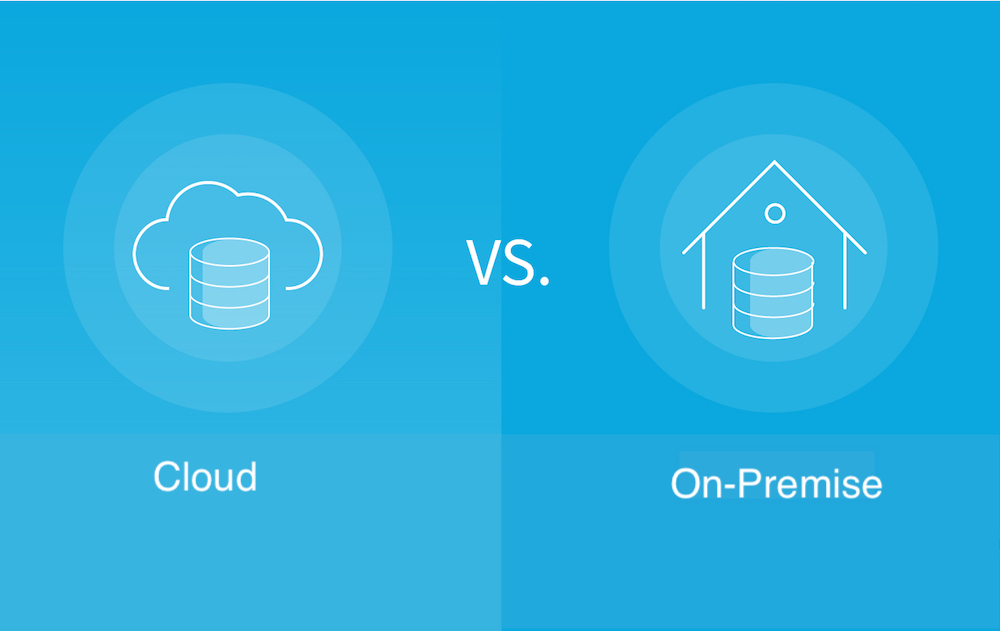
- Cloud ERP: Hosted on a vendor’s cloud platform and accessed via the internet (SaaS). Benefits include faster deployment, automatic updates, lower upfront costs, and easier scalability—60% of organizations now run most workloads in the cloud :contentReference[oaicite:1]{index=1}. Our custom software development services include cloud-based ERP implementation tailored to your business.
- On‑Premise ERP: Installed locally on internal servers and maintained by your IT team. Offers full control and customization but requires larger upfront investment and slower deployment.
Advantages of Cloud-Based ERP in 2025
Cloud-based ERP systems have evolved rapidly and now dominate the market in 2025. Here’s why:
- Lower Upfront Costs: Pay-as-you-go subscription model with no hardware investment.
- Faster Deployment: Go live in weeks—not months—with pre-configured templates.
- Scalability: Easily add users, modules, or features as your business grows.
- Remote Access: Teams can access data securely from anywhere in the world.
- Automatic Updates: Always stay current with the latest features and security patches.
Benefits of On-Premise ERP in 2025
Despite the rise of the cloud, on-premise ERP still holds appeal for certain organizations:
- Greater Control: You fully manage your ERP environment, updates, and backups.
- Customizability: On-premise systems offer deeper customization for unique business processes.
- Data Sovereignty: Critical for industries with strict data residency and compliance rules.
- No Internet Dependency: Your system operates locally, even with internet outages.
2025 Market Trends: Cloud ERP Dominance
According to Gartner, by the end of 2025, over 80% of new ERP deployments will be cloud-based. This shift is driven by:
- Global adoption of hybrid and remote work models
- Advancements in cloud security and compliance
- Demand for real-time data analytics and mobile accessibility
- AI and machine learning integrations only available in cloud ERPs
Use Cases: Which ERP Model Suits Your Business?
- Startups & SMEs: Cloud ERP offers speed, affordability, and minimal IT requirements.
- Enterprises: Hybrid models combining on-premise and cloud provide flexibility.
- Regulated Industries (e.g., Government, Defense): On-premise may still be preferred for maximum control and compliance.
Neoline Logic’s ERP Expertise
At Neoline Logic, we specialize in helping organizations evaluate, implement, and support both cloud and on-premise ERP systems. Our services include:
- ERP system consultation and readiness assessment
- Cloud ERP deployment and data migration
- On-premise ERP integration and customization
- Ongoing system optimization and staff training
In 2025, the ERP model you choose isn’t just about IT—it’s about how fast and intelligently your business can grow.
We ensure your ERP investment aligns with your business goals, IT strategy, and compliance needs—no matter which model you choose.
Conclusion: Which ERP Wins in 2025?
While both cloud and on-premise ERP systems have their merits, cloud-based ERP is the clear winner in 2025 for most businesses. It offers greater agility, lower costs, and faster innovation. However, the right choice always depends on your industry, business size, and long-term digital goals. At Neoline Logic, we’re here to help you make that decision with confidence.
Need help choosing the right ERP model? Contact our ERP experts or explore our custom software development and managed IT services to implement and support your ERP journey.