




 Post by
 With data volumes exploding and user expectations rising, modern enterprises in 2025 are moving toward edge computing to gain speed, security, and autonomy. At Neoline Logic, we help businesses harness edge computing to transform operations, enhance customer experiences, and reduce cloud dependency.
What Is Edge Computing?
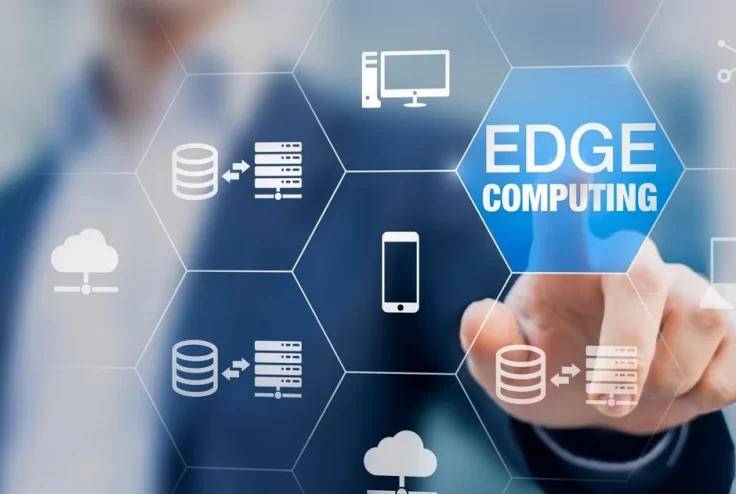
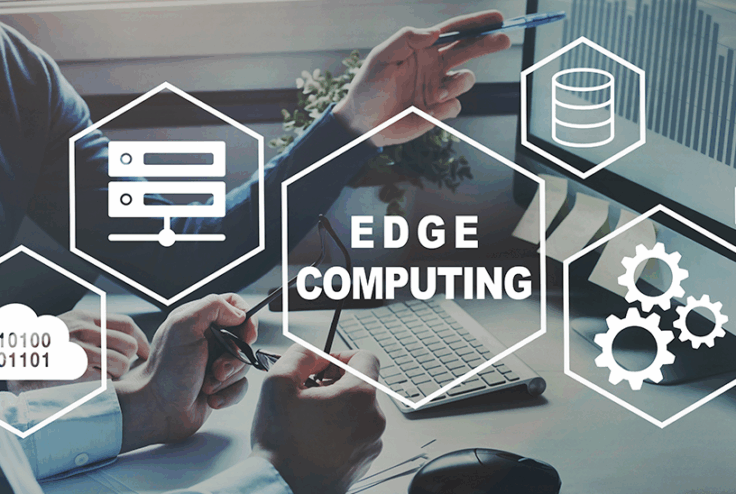
Edge computing refers to processing data closer to the source—such as IoT devices, local servers, or on-site machines—rather than relying solely on centralized cloud servers. It reduces latency, enhances speed, and improves real-time decision-making.
Top Benefits of Edge Computing for Enterprises
- Faster Data Processing: Real-time data handling near the source improves responsiveness for applications like autonomous vehicles, industrial IoT, and remote healthcare.
- Reduced Latency: By minimizing the need to send data to centralized servers, edge computing supports ultra-low latency environments—ideal for smart cities and AR/VR experiences.
- Enhanced Security: Sensitive data can be processed and stored locally, reducing exposure to cyber threats targeting cloud environments.
- Lower Bandwidth Costs: Less data is transmitted to the cloud, cutting down on bandwidth usage and expenses.
- Greater Reliability: Edge systems can function independently during cloud outages, ensuring business continuity.
Use Cases of Edge Computing in 2025
- Retail: Smart shelves, checkout-less stores, and customer analytics at the edge improve retail operations.
- Manufacturing: Real-time monitoring of equipment and predictive maintenance boost productivity.
- Healthcare: Wearables and hospital equipment process data locally for faster diagnosis and alerts.
- Finance: On-premise edge servers support instant fraud detection and biometric verification.
Edge vs Cloud: Not a Competition, But a Collaboration
Edge computing doesn’t replace cloud—it complements it. While edge handles local, time-sensitive tasks, the cloud manages large-scale data storage and analytics. A hybrid edge-cloud model gives enterprises the best of both worlds in 2025.
Getting Started with Edge Computing
To adopt edge computing, modern enterprises should:
- Identify latency-critical operations
- Deploy edge-ready hardware and software
- Implement edge-friendly security policies
- Use containerization and orchestration tools for easy scaling
In 2025, smart enterprises won’t wait for data—they’ll act on it instantly, thanks to edge computing.
Conclusion: Edge Is the Future of Smart Enterprises
Edge computing empowers modern enterprises with speed, efficiency, and control. In 2025, those who implement edge strategically will enjoy reduced costs, improved customer satisfaction, and greater competitive advantage. At Neoline Logic, we help organizations design and deploy future-ready edge architectures tailored to real business needs.