



 Post by
 Whether you’re exploring a web designing course for the first time or actively seeking web design training in the UAE, you’re entering one of the most dynamic and rewarding fields in the digital economy. Web designers are in demand globally—and the UAE, with Dubai and Abu Dhabi positioning themselves as regional tech and innovation hubs, offers exceptional opportunities for skilled professionals.
This comprehensive guide covers everything you need to know about web designing courses in 2026: what you’ll learn, how to choose between online and in-person training, which certifications employers recognize, and how UAE-based programs compare to international alternatives. Whether you’re career-switching, upskilling, or launching a freelance business, you’ll find the roadmap you need here.
What Is a Web Designing Course? (Skills You’ll Learn)
A web designing course teaches you to create visually compelling, user-friendly websites by blending creative design principles with technical implementation. Most modern programs cover:
- Design fundamentals: Color theory, typography, layout composition, and visual hierarchy
- User Experience (UX) design: User research, personas, wireframing, prototyping, and usability testing
- User Interface (UI) design: Creating aesthetically pleasing, functional interfaces for web and mobile
- HTML and CSS: Hand-coding web pages and styling them responsively
- Responsive and mobile-first design: Ensuring seamless experiences across devices and screen sizes
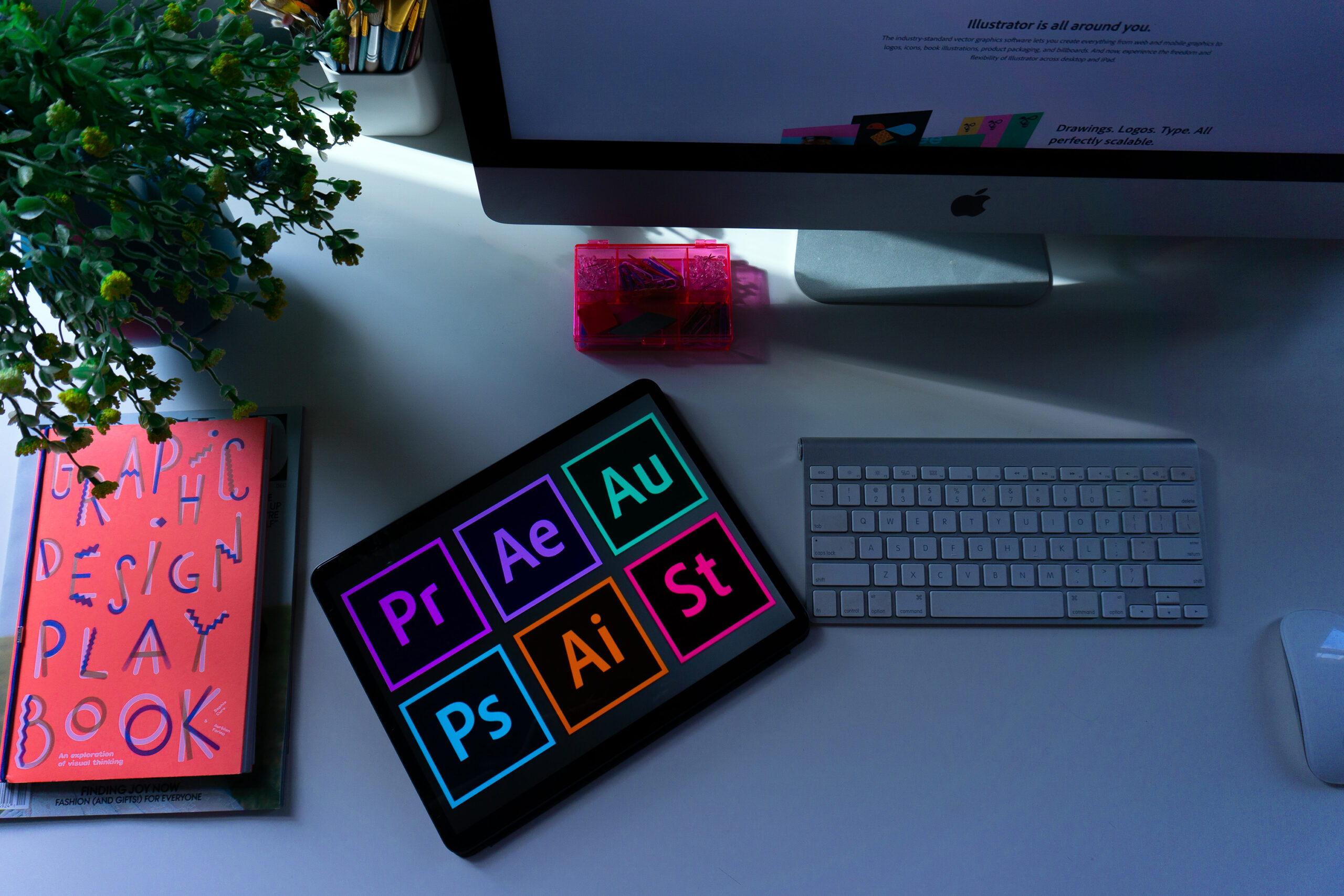
- Design tools: Figma, Adobe XD, Sketch, Photoshop, and Illustrator
- JavaScript basics: Adding interactivity (included in intermediate to advanced courses)
- Content Management Systems: Working with platforms like WordPress and Webflow to deploy and manage sites
- Accessibility and inclusive design: Creating experiences usable by people of all abilities
- SEO and performance basics: Understanding how design choices impact search visibility and site speed
Beginner courses emphasize visual design and no-code tools, while advanced programs integrate coding, web development, and collaboration with developers.
Why Take a Web Designing Course in the UAE?

The UAE offers unique advantages for aspiring web designers in 2026:
- Booming digital economy: E-commerce, fintech, hospitality, real estate, and government sectors are investing heavily in digital presence, driving strong demand for web designers.
- Competitive salaries: Entry-level web designers in Dubai and Abu Dhabi earn competitive, tax-free salaries, with rapid growth potential.
- Multicultural market exposure: Working in the UAE means designing for diverse, multilingual audiences—a skill set valued globally.
- Networking and career support: UAE-based courses connect you to local employers, agencies, and the regional tech community.
- Flexible visa and freelance options: The UAE’s freelance visa programs make it easier than ever to work independently as a web designer.
- Access to cutting-edge trends: The UAE adopts web design trends quickly, giving you hands-on experience with the latest techniques.
Studying locally also means instructors understand the UAE job market, client expectations, and cultural nuances that matter when designing for the region.
Top Web Designing Courses in UAE for 2026
The UAE’s educational landscape offers a wide range of web design training to suit different goals, schedules, and budgets:
Short-Term Certificate Programs
Lasting 4–12 weeks, these intensive courses cover fundamental web design skills. Ideal for professionals looking to upskill quickly, test the field, or add design capabilities to an existing role. Fees typically range from AED 2,500 to AED 8,500.
Web Design Diploma Courses
Comprehensive 6–12 month programs offering in-depth training across all aspects of web design, UX/UI, and introductory development. Many web design diploma UAE programs include portfolio development, capstone projects, and job placement support. Expect fees between AED 12,000 and AED 28,000.
Web Design Bootcamps
Accelerated, immersive programs running 8–16 weeks with full-time or intensive part-time commitment. Bootcamps emphasize hands-on, project-based learning and often promise job-ready skills and employer connections. Fees range from AED 15,000 to AED 32,000.
Part-Time and Evening Classes
Designed for working professionals, these courses spread learning over several months with evening or weekend schedules, allowing you to balance work and study. Fees vary from AED 5,000 to AED 18,000 depending on duration and depth.
Degree Programs
Some UAE universities offer bachelor’s degrees in graphic design, digital media, or multimedia with web design concentrations—typically 3–4 year commitments with tuition in line with undergraduate programs.
When evaluating a best institute for web design, verify instructor credentials, review graduate portfolios, confirm curriculum is current (web design evolves rapidly), and ask about career services and alumni outcomes.
Online vs. In-Person Web Design Training: Which Is Right for You?
Both web design courses online and classroom-based training have distinct strengths. The right choice depends on your learning style, schedule, and career goals.
Online Web Design Courses
Advantages:
- Flexibility to learn at your own pace, anytime, anywhere in the UAE
- Often more affordable, with options ranging from free introductory courses to premium programs
- Access to world-class instructors and global design communities
- Ability to revisit recorded lessons and work through complex topics repeatedly
- No commute time—valuable in UAE cities with heavy traffic
Considerations: Requires self-discipline and time management; may offer fewer networking opportunities with local employers; depends on reliable internet; less immediate instructor feedback during hands-on exercises.
In-Person Training
Advantages:
- Direct, real-time interaction with instructors for immediate feedback and guidance
- Networking with classmates, guest speakers, and UAE-based design professionals
- Structured environment with accountability and set milestones
- Hands-on support during practical design exercises and critiques
- Access to campus facilities, software licenses, and physical resources
- Better understanding of the local UAE job market and client expectations
Considerations: Fixed schedules may conflict with work or personal commitments; higher fees; commuting time in busy UAE cities; less flexibility to revisit missed sessions.
International Online Courses vs. UAE-Based Training
Popular global platforms offer high-quality, affordable web design content—often at a fraction of the cost of local programs. However, UAE-based training provides localized career support, introductions to regional employers, and instruction tailored to the UAE market’s cultural and business context. If your goal is to work in the UAE, a local program (or a hybrid approach combining international courses with UAE networking) often delivers stronger employment outcomes.
Many learners find the best approach is a hybrid model: completing foundational online courses for flexibility and cost savings, then enrolling in a shorter in-person workshop or bootcamp in Dubai or Abu Dhabi for portfolio feedback, networking, and job placement support.
Web Design Certifications That Employers Recognize in 2026
While your portfolio and demonstrable skills matter most, certain web design certification credentials strengthen your profile and signal commitment to employers:
- Adobe Certified Professional (ACP): Industry-recognized credentials in Photoshop, Illustrator, or Adobe XD, proving mastery of essential design tools.
- Google UX Design Professional Certificate: Validates foundational UX research, wireframing, and prototyping skills from a globally recognized tech leader.
- Certified Web Designer (CWD): A vendor-neutral credential covering comprehensive web design, usability, and accessibility standards.
- Nielsen Norman Group UX Certification: Prestigious, research-backed UX certification respected worldwide.
- Interaction Design Foundation (IDF) Certificates: Affordable, specialized courses in UX, UI, and interaction design with certificates recognized globally.
- Responsive Web Design Certification: Demonstrates proficiency in mobile-first, responsive design techniques.
UAE employers increasingly prioritize demonstrated ability over credentials alone, so pair any certification with a diverse, polished portfolio showcasing real or realistic projects.
How Much Does a Web Designing Course Cost in the UAE?
Understanding web designing course fees in UAE helps you budget and compare value:
- Short certificate courses (4–8 weeks): AED 2,500–8,500. Best for foundational skills or testing interest before a larger commitment.
- Comprehensive diploma programs (6–12 months): AED 12,000–28,000. Include deeper expertise, portfolio development, and often job placement assistance.
- Intensive bootcamps (8–16 weeks): AED 15,000–32,000. Career-focused, with networking, mentorship, and employer partnerships.
- Online courses (self-paced or structured): AED 500–6,000 for premium platforms; many high-quality free options exist for self-starters.
- University degree programs (3–4 years): Tuition varies widely; expect AED 40,000–80,000+ per year at private institutions.
Many UAE institutes offer flexible payment plans, early registration discounts, or corporate training packages. Some employers provide professional development budgets that cover course fees—ask your HR department before paying out-of-pocket.
When comparing web designing course duration and fees, consider the total value: curriculum depth, instructor quality, career support, and alumni success, not just the price tag.
Course Curriculum: What to Expect in a Modern Web Design Program
A well-structured web designing course syllabus UAE in 2026 typically follows this progression:
Foundation Phase
- Introduction to web design principles and the design thinking process
- Visual design fundamentals: color, typography, layout, composition
- Introduction to UX/UI concepts and user-centered design
- Basic HTML and CSS for designers
Core Skills Phase
- Mastering design tools: Figma, Adobe XD, Photoshop, Illustrator
- Wireframing, prototyping, and user flows
- Responsive and mobile-first design techniques
- CSS frameworks and layout systems (Flexbox, Grid)
- Introduction to JavaScript for interactivity
- Working with WordPress and Webflow or similar CMS platforms
Advanced & Specialization Phase
- UX research methods and usability testing
- Advanced UI patterns and micro-interactions
- Accessibility standards (WCAG) and inclusive design
- SEO fundamentals for designers
- Portfolio development and presenting your work
- Collaboration with developers and stakeholders
- Capstone project: end-to-end website design and prototype
The best courses integrate real client briefs or live projects, so you graduate with work samples that demonstrate your ability to solve actual business problems—not just tutorial exercises.
Career Paths After Completing a Web Design Course
Graduating from a web designing course opens diverse, well-compensated career paths in the UAE’s digital economy:
- Web Designer: Create visual designs and user experiences for corporate sites, e-commerce, and digital campaigns. Entry-level roles in Dubai typically start around AED 6,000–10,000/month.
- UI/UX Designer: Specialize in user interface and experience design for web and mobile apps—one of the fastest-growing, highest-demand roles in UAE tech. Mid-level salaries range from AED 12,000–20,000/month.
- Freelance Web Designer: The UAE’s thriving SME sector and new freelance visa options make independent work highly viable, with rates of AED 150–500/hour depending on experience.
- E-Commerce Designer: Focus on online retail experiences—product pages, checkout flows, conversion optimization—for the region’s booming e-commerce market.
- Digital Marketing Designer: Create landing pages, campaign assets, and conversion-focused designs for agencies and in-house marketing teams.
- Graphic and Web Designer: Hybrid roles combining print and digital design, common in smaller agencies and corporates needing graphic design services alongside web work.
- UX Researcher or Information Architect: Specialize in the research and strategy side of UX as you gain experience.
Many designers also transition into adjacent roles—web development, product design, brand strategy, or digital project management—as their careers evolve. The foundational skills you learn remain valuable across the entire digital ecosystem.
How to Choose the Right Web Designing Course in UAE
Finding the best web designing course for beginners or the right advanced program requires evaluating several factors:
- Accreditation and recognition: Look for courses accredited by the Knowledge and Human Development Authority (KHDA) in Dubai or similar bodies, especially if you plan to use the qualification for visa or career progression.
- Curriculum relevance: Confirm the program teaches current tools (Figma, not outdated software), modern techniques (mobile-first, accessibility), and aligns with 2026 industry standards.
- Instructor expertise: Verify instructors have active, recent industry experience—not just academic credentials. Check their portfolios and LinkedIn profiles.
- Portfolio and project opportunities: Every course should include multiple real or realistic projects you can showcase to employers.
- Career support: Job placement assistance, resume workshops, portfolio reviews, and introductions to local employers add significant post-graduation value.
- Student outcomes: Ask for graduate employment rates, testimonials, and alumni contacts. Speak to past students about their experience.
- Skill level match: Ensure the course matches your current abilities—beginner, intermediate, or advanced—to avoid frustration or boredom.
- Schedule and format: Confirm the timing (full-time, part-time, self-paced) fits your life and commitments.
- Location and accessibility: If searching for a web designing course near me Dubai or in another emirate, consider commute time and campus facilities.
Many institutes offer trial classes, open houses, or orientation sessions. Attend these, ask questions, and compare at least three programs before deciding.
Frequently Asked Questions About Web Design Courses
Do I need a design or technical background to start?
No. Most beginner-level web designing courses assume no prior experience and start with fundamentals. If you’re comfortable using a computer and curious about design, you can learn web design.
Can I learn web design online for free?
Yes—many high-quality platforms offer free introductory courses covering HTML, CSS, design principles, and tools like Figma. However, free web designing courses UAE or global platforms often lack personalized feedback, local career support, and structured accountability, which paid programs provide.
How long does it take to become job-ready?
With dedicated study, most learners can build a portfolio and apply for junior roles within 3–6 months through an intensive bootcamp or part-time course. Self-paced learners may take 6–12 months depending on time commitment.
What’s the difference between web design and web development?
Web design focuses on the visual, user-facing aspects—layout, color, typography, user experience. Web development focuses on the technical implementation—coding functionality, databases, server logic. Many professionals blend both skills, especially in smaller teams.
Is a certificate or diploma necessary to get hired?
Not always. UAE employers prioritize your portfolio and demonstrable skills over credentials. However, a web designing course online with certificate or diploma can help you stand out early in your career and provides structured learning and accountability.
Can I work as a freelance web designer in the UAE?
Yes. The UAE offers freelance visa options that allow you to work independently. Many web designers build thriving freelance careers serving the region’s diverse SME market.
Which tools should I learn first?
Start with Figma (for UI/UX design and prototyping) and basic HTML/CSS. From there, add Photoshop or Illustrator for image editing and graphic elements. Most modern workflows center on Figma due to its collaboration features and accessibility.
What salary can I expect as a web designer in the UAE?
Entry-level web designers in Dubai typically earn AED 6,000–10,000/month. With 2–3 years of experience, salaries rise to AED 10,000–16,000/month. Senior designers and UX specialists can earn AED 18,000–30,000+/month, depending on the employer and specialization.
Getting Started on Your Web Design Journey in 2026
Whether you’re exploring a web designing course for the first time or ready to commit to learn web design UAE and launch a new career, 2026 is an excellent time to start. The UAE’s digital economy is expanding rapidly, employers are actively seeking skilled designers, and training options have never been more diverse or accessible.
Begin by clarifying your goals: Do you want to freelance, join an agency, work in-house, or build your own digital products? Next, research institutes, compare curricula and fees, attend trial sessions, and speak with alumni. Whichever path you choose—intensive bootcamp, flexible online learning, or comprehensive diploma—commit to building a strong portfolio and staying current with evolving design trends and tools.
With dedication, the right training, and a user-focused mindset, you’ll be well-positioned to create beautiful, functional web experiences that serve the UAE’s dynamic, multicultural market—and beyond.